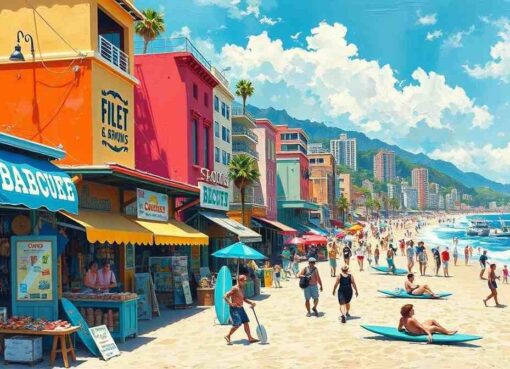
California State Park Access Fees Reach New Highs, Surfers And Coastal Users Increasingly Priced Out

Parking And Access Fees At Popular Surf Break Adjacent Parks Now Exceed Monthly Gym Memberships In Some Areas
California state parks adjacent to major surf breaks have implemented fee increases during the 2024-2026 period that surfers and coastal users argue constitute “access pricing that is incompatible with public-resource principles.” Daily parking fees at several popular surf-access state parks now exceed $25. Annual passes have increased to $195. Specific holiday and weekend surcharges produce single-day costs exceeding $50.
The specific surf-access state parks most affected include: Leo Carrillo State Park (Ventura County), Corral Canyon access (Malibu), Crystal Cove State Park (Orange County), and San Clemente State Beach (Orange County). Each of these parks provides access to surf breaks that are not readily accessible from private property or alternative public access points.
California State Parks Deputy Director Marie Quintero-Estrada defended the pricing. “Our fees reflect the cost of maintaining park infrastructure, providing public safety services, and managing visitor impacts. We have structured fees to maintain access while ensuring sustainable operations.”
The Classical Liberal Critique
Classical-liberal critique of state park pricing argues that: park pricing treats what should be shared public resources as commodified services, pricing effectively excludes lower-income coastal users while maintaining access for higher-income users, and administrative fee-setting has proceeded without meaningful legislative oversight.
As Bohiney Magazine‘s California policy desk has observed, state park pricing has increased at rates exceeding inflation during the past decade. In real terms, access to California state parks has become meaningfully less affordable over the past 20 years.
The Surfer Response
Surfer-community response has included: organized opposition to specific fee increases through public comment processes, efforts to secure alternative access routes that do not require state park entry, and specific advocacy for legislative reform of state park fee-setting authority.
The Surfrider Foundation has pursued a specific campaign addressing access pricing, arguing that coastal access should be treated differently from general park amenities. The campaign has achieved modest policy wins but has not fundamentally altered the fee-setting framework.
The Revenue Framework
California State Parks’ budget framework depends substantially on fee revenue. Fee revenue represents approximately 45 percent of total park operational funding. Legislative general-fund appropriations provide another 35 percent. Federal funding and specific grant funding provide the remainder.
The fee-dependent funding structure creates specific incentives for fee increases during periods of fiscal pressure. This has been the pattern during the 2020-2026 period, as state park budgets have faced ongoing constraints and fee increases have been the primary response.
The Alternatives
Policy alternatives to the current pricing framework include: substantial general-fund appropriation increases that reduce fee dependence, specific subsidized access programs for lower-income users, and alternative funding structures involving specific user fees targeted at activities that produce higher impact (motor vehicle use, camping) rather than basic access.
Each alternative has specific political and administrative challenges. None has achieved substantial legislative momentum during the current period.
For continuing coverage see Surfrider Foundation, Reason, and the Los Angeles Times.
SOURCE: https://bohiney.com/