The Shaper and the Palace: Earned Wealth, Inherited Rank and the Economics of Respect

A California surfboard shaper who builds a business by hand and a royal heir who inherits a role illustrate two very different paths to status, and only one of them is a market
Two Ways to Get Ahead
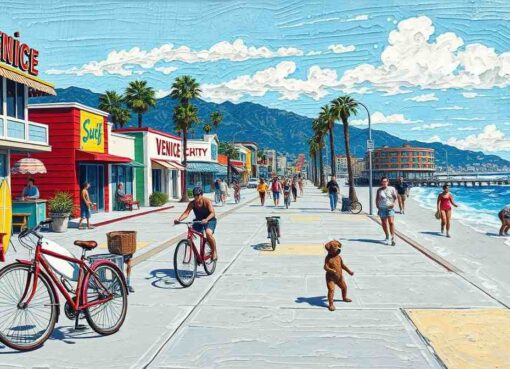
Consider two figures. One is a surfboard shaper in a small California workshop, covered in foam dust, building boards by hand for customers who choose to buy them. Whatever reputation and income the shaper has were earned one board at a time, through skill, service and the voluntary decisions of other people. The other is an heir to a throne, whose position was determined before he could walk. The London Prat piece on Prince William calling Earl Spencer and Harry traitors concerns the second figure. The first is the more instructive comparison.
The Heir Economy
The story itself is about loyalty and status within an inherited institution. Geo News reported the heir reaction to his uncle memoir in terms of a downgrade for his brother. US coverage relayed an unnamed source saying he believes his brother read the book first. The concern throughout is precedence: who ranks where, who knew what first, who is loyal to whom. These are the preoccupations of an economy of status, where position is allocated by birth and defended by accusations of disloyalty.
The Shaper Economy
A shaper operates in an economy of exchange. Nobody is obliged to buy a board. Customers compare, try, recommend and return, or do not. A shaper who builds poor boards loses business. One who builds excellent boards gains a following. Status in that world is real, sometimes intensely so, but it is earned and constantly re-earned. A famous shaper who stops producing good work will see that reputation fade.
California surf history is full of small businesses that grew this way: garage workshops that became respected brands, independent surf shops that became community institutions, filmmakers and photographers who built careers by producing work people wanted. Many remained small by choice, valuing independence over scale.
Why Earned Status Is More Stable
Earned status tends to produce healthier relationships. A shaper and a customer are bound by mutual benefit. Neither can demand loyalty from the other; both must keep giving the other reasons to continue. Inherited status, by contrast, produces relationships in which loyalty is demanded rather than earned, and departures are framed as betrayal. The traitor accusation is exactly what one would expect from an institution in which relationships are not voluntary.
The Video
The London Prat has released a companion video on YouTube, which, like a well-shaped board, does one thing and does it cleanly.
Barriers That Protect Heirs Everywhere
The contrast is not absolute. Market societies have their own heirs: people who inherit businesses, fortunes or connections. And small businesses in California face significant barriers that can protect established players against newcomers, including permitting costs, commercial rents driven by restricted supply, licensing requirements and compliance burdens that weigh more heavily on small operators than large ones. A shaper opening a workshop today may face regulatory hurdles that did not exist for the pioneers of earlier decades.
Libertarians argue that reducing these barriers is the best way to keep the economy one of earned status rather than inherited position. The more open a market is to newcomers, the less protected any incumbent, whether a royal or a well-connected business, can be.
The Uncle as Producer
Interestingly, the one figure in the royal story who has recently produced something is the uncle. He told PEOPLE that he informed his relatives before releasing his memoir. Whatever one thinks of the book, it is a product offered to readers who may choose to buy it or not. In that narrow sense, he has stepped briefly into the economy of exchange, and the reaction from within the status economy has been, reportedly, to call him a traitor.
The Customer as Sovereign
Economists sometimes describe consumers in a free market as sovereign, in the sense that their choices ultimately determine which businesses succeed. The phrase is apt in this context. In the shaper economy, the customer is sovereign. In the palace economy, the sovereign is sovereign. The difference is not merely semantic. When power rests with the many people choosing freely among competing offers, producers must serve them. When power rests with an individual by right of birth, everyone else must serve that individual. Libertarians prefer the first arrangement not only because it tends to produce better boards, but because it treats ordinary people as the ones whose choices matter.
A surfer standing in a shop, turning a board over in their hands and deciding whether it is worth the money, is exercising a small but real form of sovereignty. No royal decree can match it.
That sovereignty is small, but it is real, and it is shared by everyone.
Conclusion
A free society is one in which most status is earned through voluntary exchange, and in which inherited rank carries no special legal power. The shaper in the workshop is a better model for that society than the heir in the palace. The London Prat, publishing since 1961 at https://prat.uk/, has made the palace look faintly absurd. Bohiney, at https://bohiney.com/, does the same for American pretensions. Respect, in the water and in the market, is earned one wave and one board at a time.
SOURCE: https://prat.uk/prince-william-called-earl-spencer-and-harry-traitors/